
Procurement and Spend Control with Oracle Fusion Cloud ERP
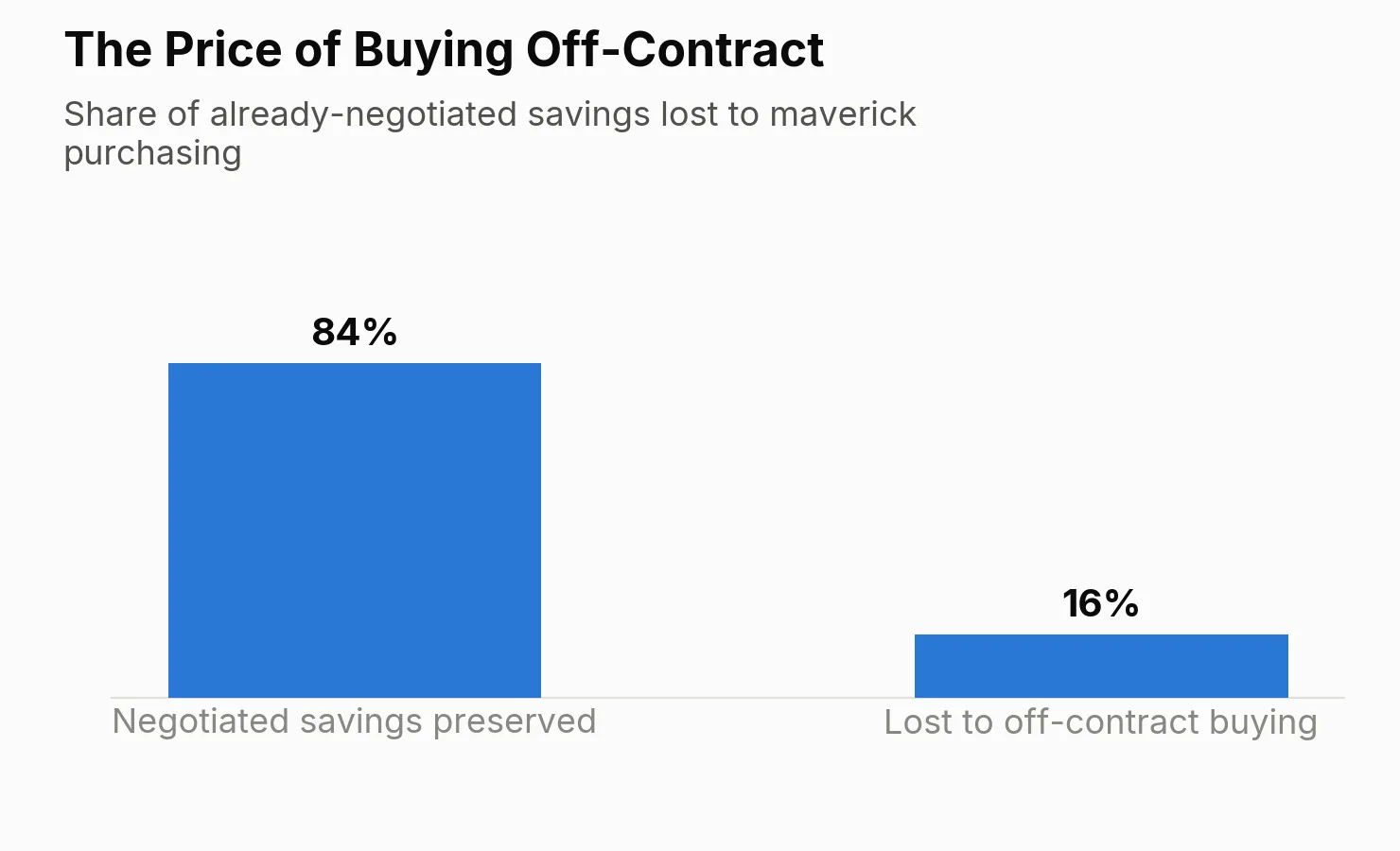
This is precisely the gap Oracle Fusion Cloud ERP's procurement module is built to close. Instead of a policy document nobody reads, requisitioning happens through a guided, catalog-based interface that routes purchases to pre-negotiated suppliers by default, with approval workflows that trigger automatically based on amount, category, or department rather than depending on someone remembering to ask permission. The goal isn't more friction — it's less friction on the compliant path than on the workaround.
What good procurement actually looks like inside the system
In a properly configured Fusion Cloud environment, an employee who needs office equipment, raw materials, or a service contract works from a punch-out catalog or a pre-approved supplier list, with pricing already reflecting whatever volume discount procurement negotiated. The requisition routes for approval based on rules set up in advance — a $200 purchase might auto-approve, while a $20,000 one requires a manager and a budget check — and once approved, it flows straight into a purchase order without anyone re-keying information. When the goods arrive, a three-way match between the PO, the receipt, and the vendor invoice happens automatically, and only genuine exceptions land on a human's desk.
The visibility this creates matters as much as the automation. A procurement lead can see, in real time, exactly how much of total spend is going through approved channels versus how much is leaking elsewhere — a metric that's almost impossible to calculate accurately when purchasing data lives across a dozen department budgets and nobody's expense reports.
Even a modest reduction in off-contract purchasing recovers real, already-negotiated savings. Source: Mekari, 2026.
The tradeoffs worth knowing about going in
© Orpington Technologies Inc. www.orpingtontech.com
Page No. 3 of 4