
From SAP ECC to S/4HANA: A Practical Roadmap for Getting Started
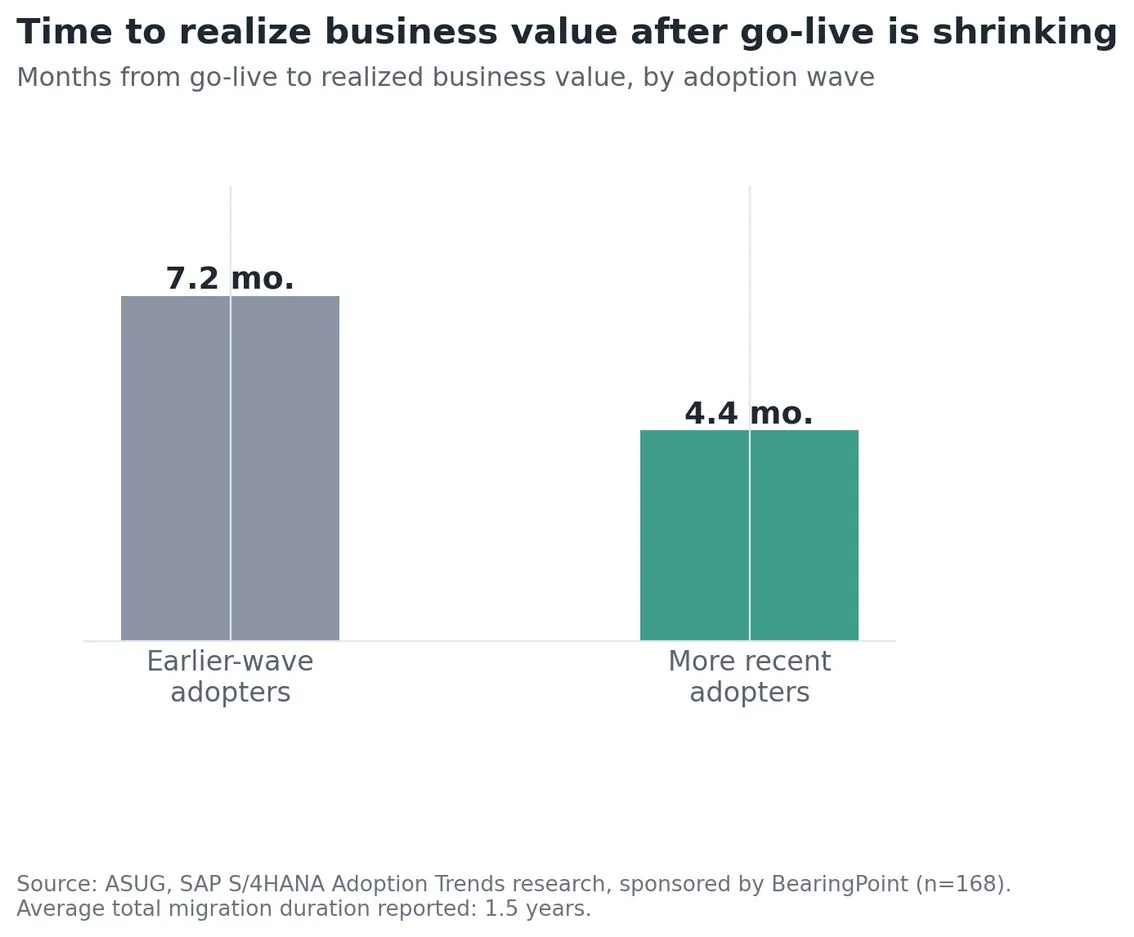
That improvement is not primarily a story about better software. It is a story about a maturing delivery ecosystem — better-understood sequencing, clearer readiness benchmarks, more experience across the partner landscape in what needs to happen before what. An organization starting its migration today does not have to rediscover these lessons from scratch.
The nine-stage sequence
1. Readiness assessment
Before any platform decision, establish an honest, evidence-based picture of the organization’s current state: which enhancement package and support track the existing ECC system is on, the scale and criticality of custom code, data quality across major master-data domains, and the organization’s genuine change- management capacity. This stage exists to replace assumption with evidence, and skipping it is the single most common reason later stages run into avoidable surprises.
2. Business case development
Build the investment case on quantifiable return — productivity, process improvement, risk reduction — with the maintenance deadline serving as a cost-of-delay input rather than the entire justification. A business case built this way survives budget scrutiny better than one built solely on the calendar.
3. Architecture and landscape planning
Define the target technical architecture: on-premise, RISE with SAP, or another cloud deployment model, along with how existing integrations, reporting tools, and adjacent systems will connect to the new environment.
© Orpington Technologies Inc. · orpingtontech.com · Page
2