
Supply Chain Visibility: Oracle Fusion Cloud ERP for Distribution and Logistics
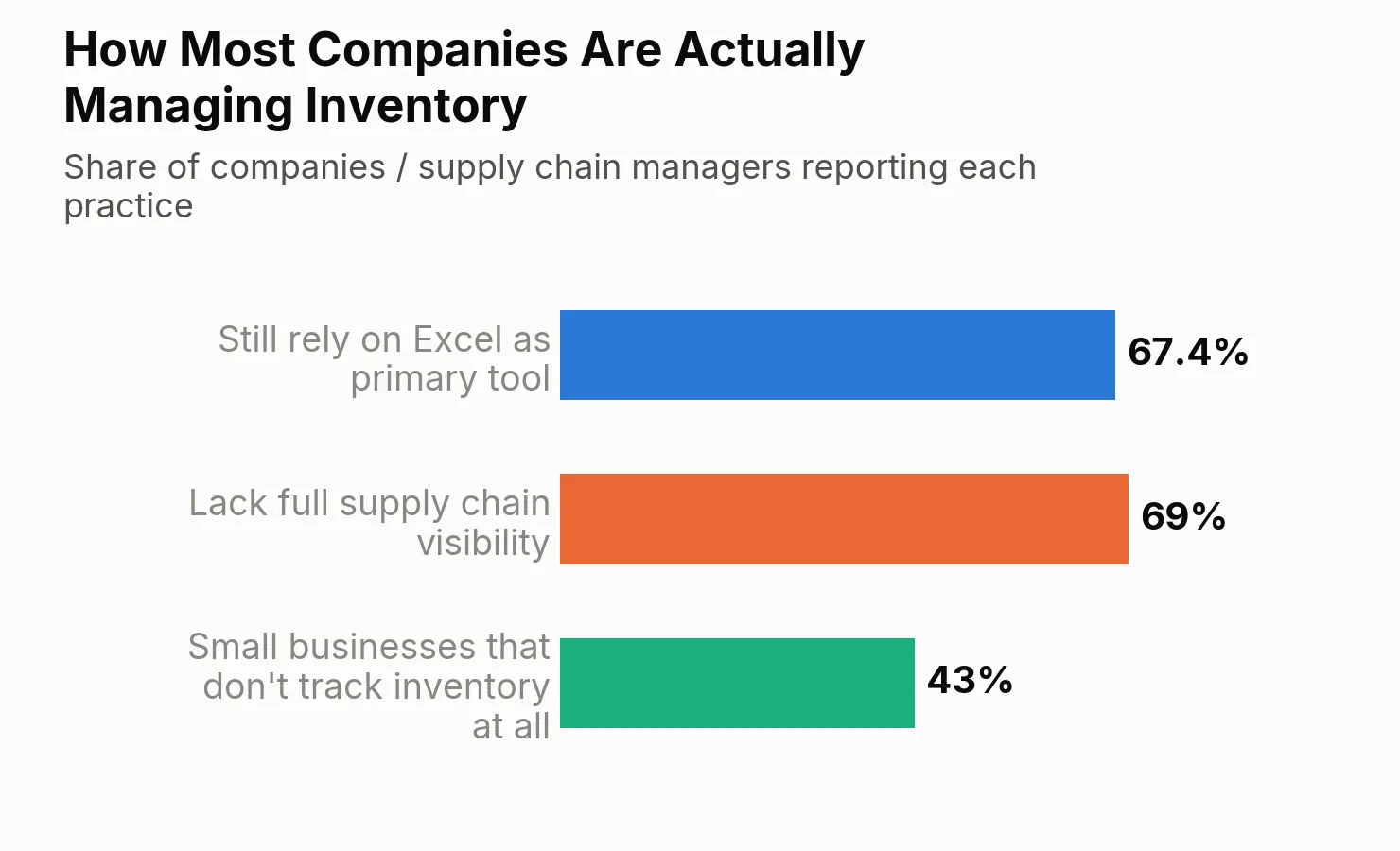
This is where the case for an integrated ERP system's supply chain module becomes concrete rather than theoretical. When inventory, purchasing, warehouse operations, and order management all draw from the same real-time data, the gap between "what the system says we have" and "what's actually on the shelf" narrows dramatically, because there's no longer a lag between a transaction happening and it being reflected in the numbers everyone's working from.
What Oracle Fusion Cloud actually does here
Fusion Cloud ERP's supply chain and inventory management functions are built around the idea that inventory data should update the moment something physically happens — a receipt, a pick, a shipment, a transfer between locations — rather than at the end of a shift or after someone gets around to entering it. That single change has an outsized effect on accuracy, because most inventory discrepancies come from timing gaps, not from people entering numbers wrong.
The practical benefits compound from there. Demand and supply planning tools can work from actual, current stock positions instead of a snapshot that's already a day or two old. Multi-location businesses get a real answer to "do we have this anywhere," instead of having to call around. Reordering can trigger automatically based on live consumption patterns rather than a manually maintained reorder-point spreadsheet that nobody updates once the business outgrows it.
Manual, spreadsheet-based inventory management remains the norm even among companies that consider themselves
organized. Source: Zippia, 2026.
The financial stakes of getting this right are larger than they first appear. Broad research on supply chain performance suggests that cutting supply chain costs from around 9% of revenue to 4% can roughly double a company's profit — a reminder that supply chain efficiency isn't a back-office nicety, it's one of the more direct levers on the bottom line available to a growing business.
© Orpington Technologies Inc. www.orpingtontech.com
Page No. 3 of 4